Maintaining Well-being and Dignity Via Memory Care at The Sanctuary Senior Care
At The Sanctuary Senior Care, the approach to memory care emphasizes the importance of dignity and comfort. Personalized care plans are developed based on each resident's individual history. This basis establishes a compassionate setting where emotional health takes precedence. Innovative therapeutic programs further enhance this environment. Yet, the role of compassionate staff cannot be overlooked. Seeing how these aspects work together shows the profound level of care given, leading to greater scrutiny of their significance in residents' lives.
Comprehending Memory Care Necessities
What considerations affect the personalized memory care necessities of individuals? Several see information on this components determine these necessities, like the type and stage of dementia, the person's emotional state, and their social environment. Mental deterioration frequently results in obstacles in communication, decision-making, and daily activities, demanding specialized support. Each individual has unique life experiences, preferences, and coping mechanisms that shape their memory care necessities. Additionally, the presence of accompanying medical conditions can compound care, further emphasizing the need for personalized approaches. Moreover, family dynamics and prior social interactions may impact an individual's comfort level in a memory care community. Understanding these factors is vital for providing effective support and fostering a sense of dignity and belonging in memory care facilities.
Individualized Care Plans for Every Resident
The Sanctuary Senior Care develops customized care plans tailored to meet each resident's unique needs. Regular assessments and updates of these personalized methods guarantee the best possible support and well-being. Involving family members in the planning process fosters a collaborative environment that enhances the overall care experience.
Tailored Treatment Plans
Tailored care approaches are vital in ensuring effective memory care at The Sanctuary Senior Care. Each resident's unique life story, preferences, and cognitive abilities inform the customized care plans designed by trained staff. These plans are thoughtfully crafted to confirm that activities, routines, and interactions match individual needs, fostering a sense of comfort and dignity. By focusing on the specific characteristics of each resident, caregivers can form meaningful connections and enhance overall well-being. This personalized approach facilitates flexibility in care delivery, accommodating changes in residents' conditions and preferences. As a result, The Sanctuary Senior Care promotes a compassionate environment that honors individuality while handling the complexities of memory-related challenges.
Periodic Assessments and Revisions
Systematic evaluations and adjustments perform an important role in upholding the effectiveness of personalized care plans for every resident at The Sanctuary Senior Care. These evaluations confirm that care strategies remain aligned with the evolving needs of each individual. By conducting consistent reviews, staff can identify changes in medical status, cognitive function, and emotional well-being, facilitating timely adjustments to care protocols. This proactive approach promotes an environment of responsiveness, improving the quality of life for residents. Additionally, updates to care plans are informed by regular observations and interactions, ensuring that each resident receives tailored support. Ultimately, this commitment to systematic appraisal not only optimizes care delivery but also reinforces the dignity and comfort of residents in their daily lives.
Family Engagement in Planning
While crafting personalized care plans, the engagement of family members is vital in confirming that each resident's unique needs and preferences are fully recognized and respected. Family members offer invaluable insights into the resident's past, interests, and routines, which are critical for tailoring care effectively. Their involvement fosters a collaborative environment, helping staff to integrate familial knowledge into daily activities and interventions. The Sanctuary Senior Care. Moreover, involving families in planning boosts emotional support, cultivating a sense of belonging for residents. Regular communication between staff and families guarantees that care plans remain relevant and responsive to changing needs. At last, this partnership between families and caregivers reinforces the dignity and comfort of each resident, creating a holistic approach to memory care at The Sanctuary Senior Care
Revolutionary Clinical Initiatives
The Sanctuary Senior Care implements innovative therapeutic programs that play a fundamental part in enhancing resident quality of life. The programs encompass interactive cognitive pursuits and tailored sensory experiences, developed to encourage mental involvement and emotional ties. With focus on personalized needs, these therapies work to better the overall well-being of those receiving memory care.
Engaging Mental Pursuits
Taking part in cognitive activities serve an essential part in enhancing the quality of life for residents in memory care facilities, as they promote mental stimulation and emotional health. These activities can span from brain games and puzzles to storytelling and reminiscence therapy, all created to promote cognitive engagement. Engagement in such programs supports memory retention and promotes social interaction, enabling residents connect with their peers. By integrating music therapy and art projects, caregivers inspire creativity and self-expression, which can additionally improve the residents' experiences. Regular involvement in cognitive activities not only aids in maintaining cognitive functions but also contributes to a sense of accomplishment and purpose, ultimately supporting a more fulfilling life within the memory care community.
Tailored Multi-Sensory Experiences
Individualized sensory experiences offer innovative therapeutic programs tailored to the individual needs and preferences of residents in memory care. These programs engage multiple senses—sight, sound, touch, taste, and smell—to create stimulating environments that stimulate memories and emotions. Activities may include aromatherapy with familiar scents, music therapy featuring treasured songs, and tactile experiences with various materials. Such personalized approaches not only boost cognitive function but also promote emotional well-being by fostering connections with past experiences. Staff members collaborate with families to ensure that activities correspond with each individual, creating a sense of belonging and comfort. Eventually, these sensory experiences contribute significantly to the overall dignity and quality of life for residents at The Sanctuary Senior Care.
Activities That Encourage Connection and Engagement
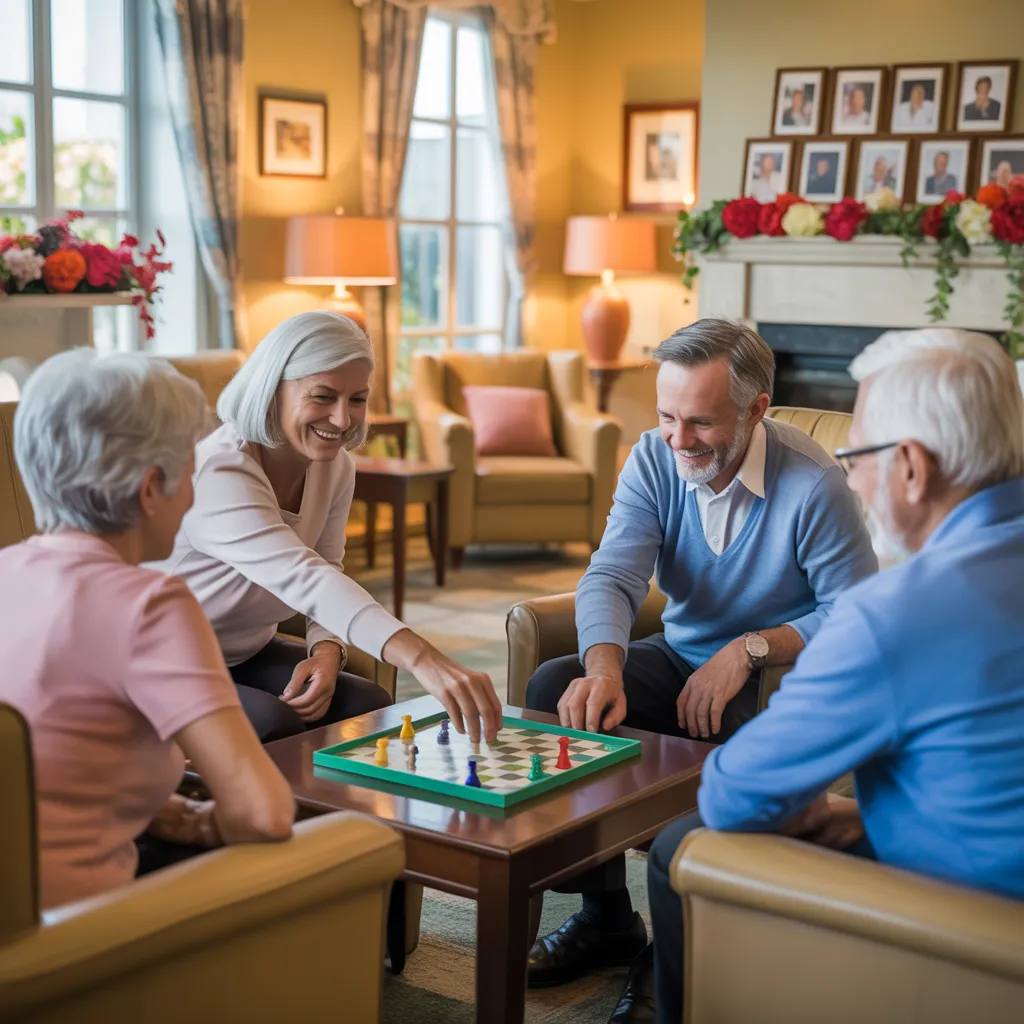
Several activities can boost social interaction and emotional bonds among residents in memory care settings. Group exercises such as chair yoga or light stretching encourage physical health while encouraging companionship. Arts and crafts sessions present opportunities for self-expression and collaboration, allowing residents to share experiences and experiences. Music therapy, including sing-alongs and instrument play, can stimulate memories and create joyful connections. Game nights featuring puzzles or board games foster teamwork and stimulate cognitive engagement. Furthermore, themed events, such as cultural celebrations or seasonal festivities, encourage participation and cultivate a sense of community. By incorporating these engaging activities, memory care facilities can create an environment of connection, promoting both dignity and comfort among residents in their daily lives.
Building a Secure and Relaxing Environment
A protected and supportive setting is crucial for residents in memory care facilities, as it greatly impacts their quality of life and overall wellness. The Sanctuary Senior Care focuses on safety through intentional design, including spacious corridors, clear signage, and protected exterior areas that promote discovery while reducing hazards. Inviting décor and soothing color schemes create a inviting ambiance, fostering tranquility. The staff is trained to recognize and respond to the individual requirements of residents, ensuring that support is always available. Additionally, sensory elements such as natural light and peaceful acoustics contribute to an environment of serenity. By cultivating a secure and welcoming space, The Sanctuary enables residents to thrive and maintain their dignity throughout their memory care journey.
The Role of Family in the Care Process
While steering through the complexities of memory care, family involvement serves an essential function in improving the overall well-being of residents. Bringing in family members fosters a sense of continuity and belonging, vital for individuals experiencing memory loss (The Sanctuary Senior Care). Families supply insights into residents' preferences, histories, and routines, enabling caregivers to adapt approaches that resonate with each individual. Regular communication between families and staff ensures that care plans remain aligned with the residents' evolving needs. In addition, family participation in activities and social events enhances community bonds, creating a supportive environment. This collaborative approach not only bolsters the emotional health of residents but also empowers families, affirming their vital role in the care process and facilitating a holistic experience for everyone involved
The Significance of Empathetic Employee Training
Caring staff training is crucial in memory care settings, as it directly affects the quality of life for residents. Expertly trained staff members possess the skills and knowledge necessary to address the specific challenges faced by individuals with memory impairments. This training focuses on empathy, active listening, and effective communication, cultivating a supportive environment that improves residents' dignity and comfort. Moreover, compassionate care encourages trust between staff and residents, allowing individuals to feel safe and understood. Regular training updates ensure that staff remain informed about best practices and progressive approaches in memory care. In the end, a commitment to compassionate staff training not only improves the standard of care but also contributes to the overall well-being of those living in memory care facilities like The Sanctuary Senior Care.
Commonly Asked Questions
What Is the Cost of Memory Care Services at the Sanctuary?
The cost of memory care services at The Sanctuary changes based on care levels and individual needs. Generally, rates range from $4,000 to $8,000 per month, showcasing the quality and extensive nature of the services provided.
In What Ways Can Families Engage in the Care Process?
Families can be involved in the care process by attending meetings, offering suggestions for care plans, joining in activities with residents, volunteering, and maintaining open communication with caregivers to ensure personalized and compassionate support for their loved ones.
Is Short-Term Memory Care Offered for Temporary Stays?
Many memory care facilities provide short-term stay options, enabling families to obtain temporary assistance. The Sanctuary Senior Care. These arrangements can provide respite for caregivers while ensuring residents receive specialized care in a safe environment
What Staff Certifications Must Caregivers Have?
Caregivers generally need certifications such as CNA (Certified Nursing Assistant), BLS (Basic Life Support), and specialized education in dementia care. Continuous education and compliance with state regulations further ensure competency in offering quality support for individuals in memory care.
Are Residents Allowed to Bring Personal Items to Their Living Area?
Residents are generally encouraged to bring personal items to their living spaces. These personal effects can help create a sense of familiarity and comfort, making positive contributions to their emotional well-being and overall quality of life.